Indoor air quality has become a growing concern, especially in urban Indian homes where pollution, dust, and toxins from household products affect our daily lives. Fortunately, nature has already given us a solution—air-purifying indoor plants.
In 1989, NASA conducted the Clean Air Study, which revealed that certain plants not only absorb carbon dioxide but also remove harmful toxins like formaldehyde, benzene, trichloroethylene, and xylene from the air. These plants act as natural air filters, making our homes healthier and fresher.
If you’re looking to build a cleaner, greener home, here are the best NASA-approved indoor plants for air purification—perfect for Indian households.
Why Choose NASA-Approved Air-Purifying Plants?
Unlike artificial purifiers, plants:
Continuously filter indoor air naturally.
Increase oxygen levels.
Add beauty and calmness to living spaces.
Require little maintenance.
Are cost-effective and sustainable.
For Indian homes—often exposed to pollution, dust, and smoke—these plants can make a significant difference in respiratory health and overall well-being.
Best Indoor Plants for Air Purification
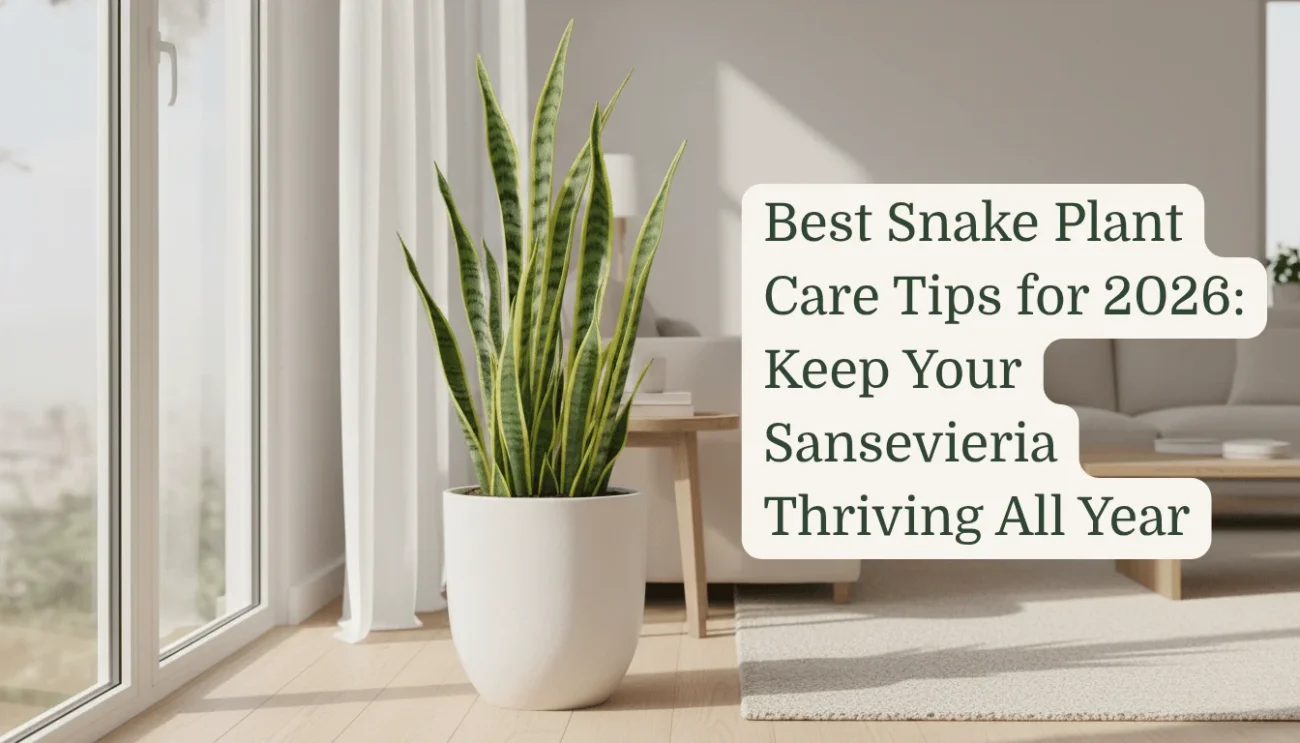
1. Snake Plant (Sansevieria trifasciata)
Also called Mother-in-Law’s Tongue, the snake plant is one of NASA’s top recommendations.
Air Benefits: Removes formaldehyde, benzene, and xylene. Also produces oxygen even at night, making it great for bedrooms.
Care Tips:
Tolerates neglect and survives in low light.
Water once every 10–12 days in summer.
Avoid overwatering.
2. Areca Palm (Dypsis lutescens)
A beautiful, bushy palm that doubles as a natural humidifier.
Air Benefits: Excellent at removing xylene and toluene from the air while maintaining humidity indoors.
Care Tips:
Needs bright, indirect sunlight.
Water twice a week in hot months.
Mist leaves for added humidity.
3. Aloe Vera (Aloe barbadensis miller)
Known for its healing gel, aloe vera is also a strong air purifier.
Air Benefits: Removes formaldehyde and benzene, commonly found in cleaning agents and paints.
Care Tips:
Thrives in bright sunlight.
Water only when soil is completely dry.
Perfect for sunny windowsills.
4. Peace Lily (Spathiphyllum wallisii)
An elegant flowering plant that also cleans the air effectively.
Air Benefits: Removes trichloroethylene, benzene, and formaldehyde. Improves indoor humidity.
Care Tips:
Prefers medium to low light.
Keep soil consistently moist.
Fertilize monthly during summers.
5. Spider Plant (Chlorophytum comosum)
One of the easiest plants to grow and propagate.
Air Benefits: Removes carbon monoxide, xylene, and formaldehyde. Great for living rooms and kitchens.
Care Tips:
Thrives in indirect sunlight.
Water every 5–6 days.
Trim yellowing leaves regularly.
6. Rubber Plant (Ficus elastica)
With its glossy, dark-green leaves, this plant is both stylish and functional.
Air Benefits: Removes toxins like formaldehyde from furniture and household products.
Care Tips:
Needs medium to bright light.
Water once a week; keep soil moist.
Mist leaves occasionally in summer.
7. Bamboo Palm (Chamaedorea seifrizii)
Also known as the Reed Palm, this plant is highly effective for humidifying and purifying air.
Air Benefits: Removes benzene, formaldehyde, and trichloroethylene. Works well in living rooms and bedrooms.
Care Tips:
Prefers indirect sunlight.
Keep soil evenly moist.
Prune dried leaves regularly.
8. Boston Fern (Nephrolepis exaltata)
A lush green fern that is excellent for cooling homes naturally.
Air Benefits: Removes formaldehyde and xylene. Acts as a natural humidifier.
Care Tips:
Loves humidity and indirect light.
Mist leaves daily in summers.
Keep soil consistently moist.
9. ZZ Plant (Zamioculcas zamiifolia)
Known for its shiny leaves and low-maintenance nature.
Air Benefits: Removes toluene, xylene, and benzene.
Care Tips:
Tolerates low light and drought.
Water once every 2–3 weeks.
Avoid overwatering.
10. Gerbera Daisy (Gerbera jamesonii)
A flowering plant that adds beauty and filters toxins.
Air Benefits: Removes benzene and trichloroethylene. Produces oxygen at night, making it great for bedrooms.
Care Tips:
Needs bright, indirect sunlight.
Water regularly but ensure good drainage.
Deadhead flowers to encourage new blooms.
Table: NASA-Approved Indoor Plants and Their Benefits
Plant Name
Toxins Removed
Best Placement
Care Level
Snake Plant
Formaldehyde, Benzene, Xylene
Bedroom, Office
Very Easy
Areca Palm
Xylene, Toluene
Living Room
Moderate
Aloe Vera
Formaldehyde, Benzene
Sunny Window
Very Easy
Peace Lily
Trichloroethylene, Benzene, Formaldehyde
Bedroom, Hallway
Moderate
Spider Plant
Carbon Monoxide, Formaldehyde, Xylene
Kitchen, Living Room
Very Easy
Rubber Plant
Formaldehyde
Living Room, Office
Moderate
Bamboo Palm
Benzene, Trichloroethylene, Formaldehyde
Bedroom, Balcony
Easy
Boston Fern
Formaldehyde, Xylene
Bathroom, Balcony
Moderate
ZZ Plant
Toluene, Xylene, Benzene
Office, Bedroom
Very Easy
Gerbera Daisy
Benzene, Trichloroethylene
Bedroom, Balcony
Moderate
Where to Buy NASA-Approved Indoor Plants Online
If you’re ready to make your home healthier, check out The Tarva’s curated collection of indoor plants at thetarva.com.
Snake Plants & Spider Plants – tough, low-maintenance air purifiers.
Areca Palm & Bamboo Palm – natural humidifiers perfect for hot summers.
Rubber Plants & ZZ Plants – modern, stylish options for homes and offices.
Each plant is delivered fresh with a care guide, making it easy for you to maintain your indoor garden.
Conclusion
The NASA Clean Air Study highlighted what many gardeners already knew—plants make our lives healthier and happier. By adding these NASA-approved indoor plants, you can naturally filter harmful toxins, increase oxygen levels, and enjoy a cleaner, fresher home environment.
Start with a few hardy plants like the snake plant, spider plant, or aloe vera, and slowly expand your collection. With the right mix, your home can transform into a mini-indoor forest that purifies air 24/7.
You need to upload your images manually to the element if you want to load them from your website. Otherwise you will need to connect your real Instagram account via API.