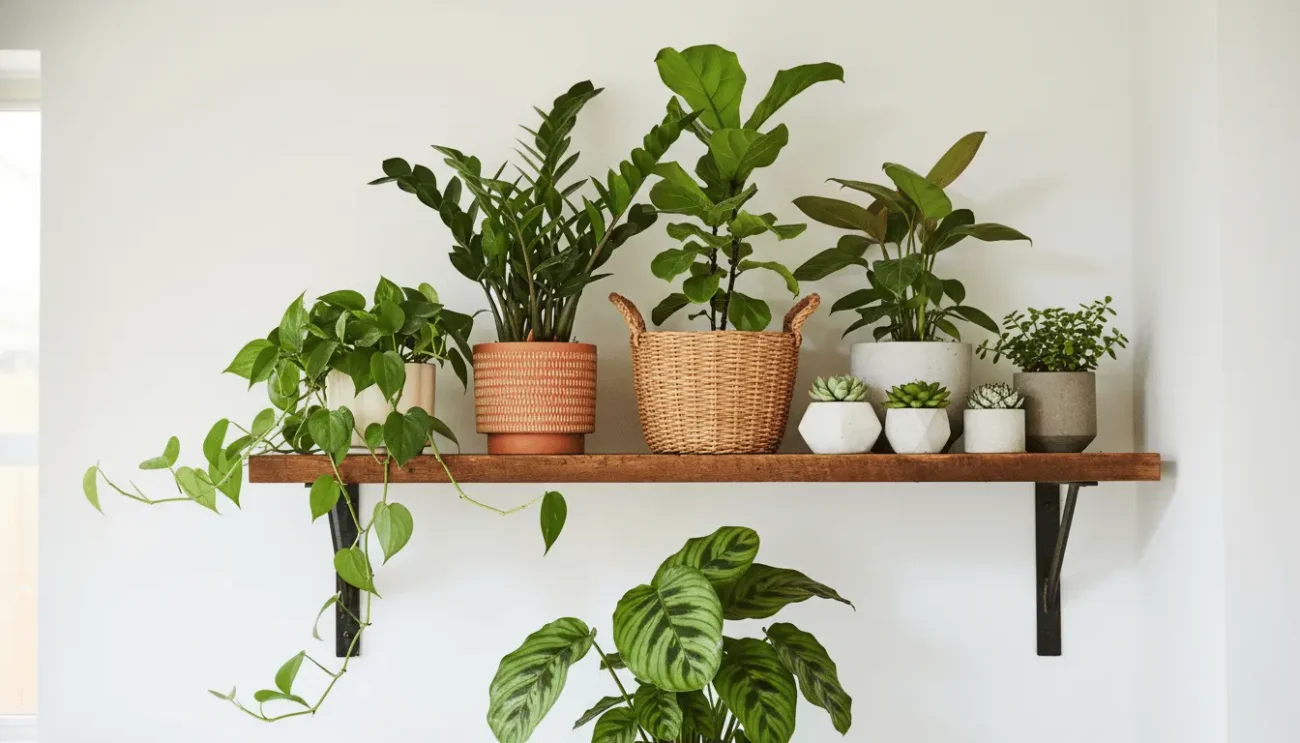
Bring Life to the Shade: The Tarva’s Guide to Low-Light Indoor Plants
Not every room has the luxury of a big, bright window—but that doesn’t mean your home or office can’t be filled with lush, thriving greenery. At The Tarva, we believe every space deserves the calm and beauty that plants bring, even the coziest corner or shadiest desk.
If your space gets limited sunlight, you’re in luck. Some plants prefer indirect light or can easily adapt to low-light conditions. Below, we’ve rounded up 10 of the best low light indoor plants for your home or office, along with simple care tips to help each one flourish.
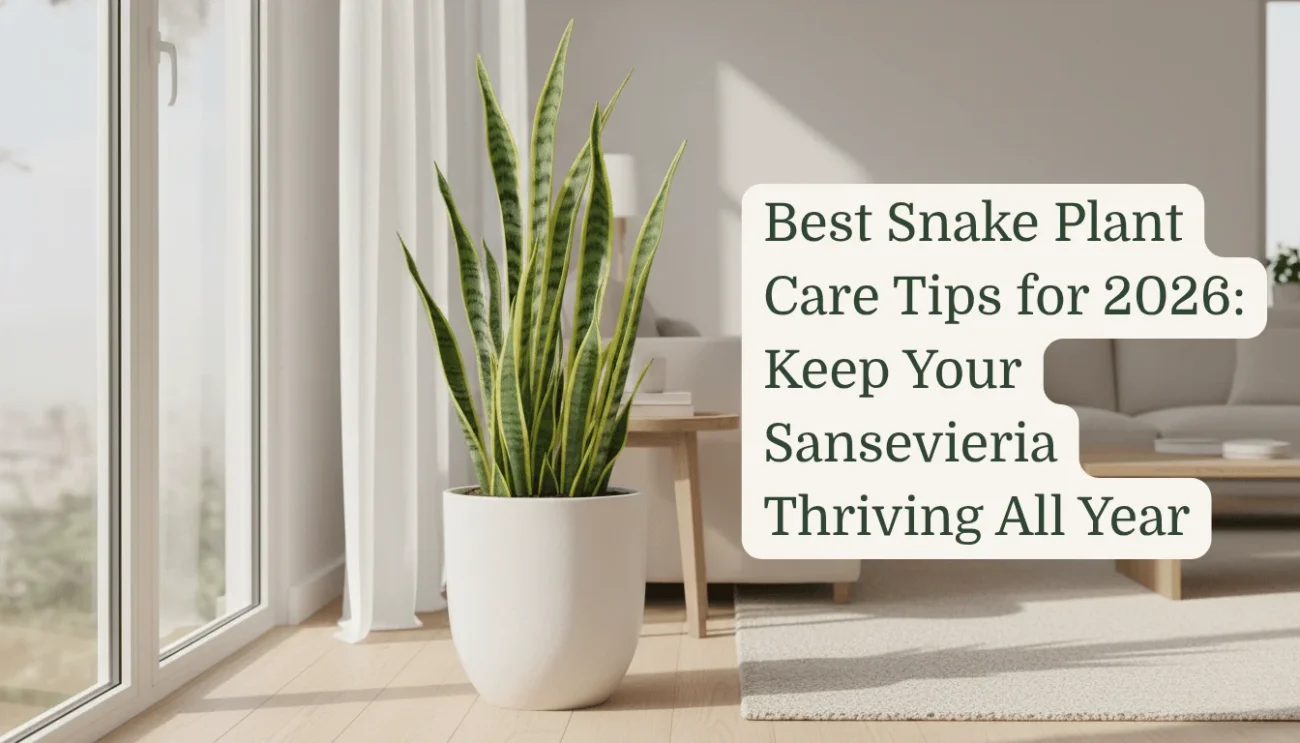
Known as one of the toughest houseplants out there, the Snake Plant thrives on neglect and still looks sculptural and elegant. Its upright leaves add height and texture to any room, making it a favorite for modern interiors.
- Light: Tolerates low light but also thrives in bright, indirect light.
- Water: Every 2–3 weeks, letting soil dry completely between waterings.
- Why We Love It: The Snake Plant naturally filters indoor air and adds structure to minimalist or small spaces—perfect for bedrooms or offices with limited windows.
2. Pothos (Epipremnum aureum)
Few plants are as forgiving as the Pothos. Whether you’re a first-time plant parent or a seasoned pro, Pothos will reward you with lush, cascading vines that thrive even in dim corners.
- Light: Prefers medium to low indirect light.
- Water: Once every 1–2 weeks, when the top inch of soil feels dry.
- Style Tip: Let its vines trail from a hanging pot or climb up a moss pole for an instant touch of jungle charm.
- The Tarva Recommends: Mix and match varieties—Golden Pothos, Marble Queen, or Satin Pothos—for beautiful texture and color contrast.
3. ZZ Plant (Zamioculcas zamiifolia)
If you tend to forget about watering (no judgment—we all do!), the ZZ Plant is your perfect match. This glossy, deep-green beauty can tolerate months of low light and minimal care.
- Light: Adaptable to low light; avoid direct sunlight.
- Water: Every 2–3 weeks, once soil is completely dry.
- Why It’s a Tarva Favorite: It adds an elegant, polished touch to desks and entryways, and it’s one of the most drought-tolerant indoor plants you’ll find.
4. Parlor Palm (Chamaedorea elegans)
A timeless favorite since the Victorian era, the Parlor Palm remains a symbol of easygoing greenery. With soft, feathery fronds and a compact shape, it fits beautifully in small apartments or offices.
- Light: Low to medium, indirect light.
- Water: When the top half of soil feels dry.
- Bonus: It’s pet-friendly! Your furry companions will stay safe while your home stays lush.
- Tip from The Tarva: Add a humidifier nearby or mist occasionally—Parlor Palms love a bit of extra humidity.
5. Philodendron
Few plant families are as versatile as Philodendrons. Whether you choose the trailing Heartleaf or the upright Imperial Green, these plants adapt easily to different environments and lighting conditions.
- Light: Bright to low indirect light.
- Water: When the top inch of soil dries out.
- Why We Love It: Philodendrons are classic, reliable, and grow quickly, making them great for building confidence as a new plant parent.
6. Aglaonema (Chinese Evergreen)
If you’re craving color without the fuss, Aglaonema is your answer. With variegated foliage in shades of green, pink, red, and silver, these plants brighten dim corners instantly.
- Light: Low to moderate, indirect light.
- Water: When the top layer of soil feels dry.
- Care Tip: Avoid cold drafts—Aglaonemas prefer warm, stable temperatures.
- Tarva Favorite: The “Red Siam” variety offers stunning contrast on a bookshelf or coffee table.
7. Dracaena
For those who love statement greenery, the Dracaena brings height, structure, and tropical vibes without demanding much light.
- Light: Low to moderate, indirect light.
- Water: Once the soil is dry halfway down the pot.
- Why It’s Great: Dracaenas are slow growers that adapt beautifully to offices or living rooms where light is limited.
- Varieties to Explore: Lemon Lime, Compacta, or Warneckii for a mix of textures and tones.
8. Prayer Plant (Maranta & Calathea Varieties)
True to their name, Prayer Plants fold their leaves at night as if in prayer—a small reminder of the rhythm of nature. They’re known for bold patterns, rich colors, and pet-safe leaves.
- Light: Low to medium, indirect light.
- Water: Keep soil slightly moist, watering when the top half dries out.
- Bonus: They thrive in humidity—ideal for bathrooms, kitchens, or near humidifiers.
- Tarva Tip: Group Prayer Plants with other humidity-loving plants for a thriving mini-ecosystem.
9. Anthurium
If you love a splash of color, Anthuriums offer vibrant, long-lasting blooms that brighten any low-light corner.
- Light: Low to bright, indirect light.
- Water: When soil feels dry to the touch.
- Why We Recommend It: These tropical beauties bring continuous blooms and glossy foliage, adding warmth and charm to living rooms or workspaces.
Elegant and timeless, the Peace Lily is the perfect finishing touch for any indoor space. Its white blooms and dark, glossy leaves bring calm and balance—fitting seamlessly into minimalist or cozy designs alike.
- Light: Low light tolerant but thrives in moderate, indirect light.
- Water: When the soil surface feels dry; slightly more often in warmer months.
- Fun Fact: Peace Lilies are known for improving air quality and reducing indoor toxins.
- Tarva Tip: If the leaves droop slightly, that’s your plant’s gentle way of asking for water.
Caring for Low-Light Plants: The Tarva’s Expert Tips
- Avoid direct sun. Low-light plants still enjoy brightness but not harsh rays—too much direct light can scorch their leaves.
- Don’t overwater. The most common mistake is giving them too much love. Always check that the top inch of soil is dry before watering again.
- Rotate regularly. Turn your plants every few weeks to encourage even growth and avoid lopsided leaves.
- Dust those leaves. A quick wipe helps your plants absorb light more efficiently.
- Feed seasonally. During spring and summer, use a diluted liquid fertilizer every 4–6 weeks for steady growth.
Final Thoughts
Low light doesn’t have to mean low energy. With the right plants, even the dimmest corners can feel vibrant and alive. From the resilient Snake Plant to the elegant Peace Lily, these ten species prove that thriving in the shade is entirely possible.
At The Tarva, we believe every plant tells a story of care, connection, and calm. Whether you’re decorating a cozy apartment, refreshing your office desk, or filling an empty corner, these best low light indoor plants for home and office will transform your space into a living sanctuary—one leaf at a time.