Creating a restful bedroom goes beyond cozy bedding and soothing colors. The air you breathe plays a vital role in how well you sleep. Certain indoor plants not only release oxygen but also filter toxins and promote relaxation—making them perfect companions for the bedroom.
In this guide, we’ll explore the 7 best indoor plants for oxygen and better sleep, how they work, and tips to style them beautifully in your bedroom.
Why Indoor Plants Improve Sleep
- Increased Oxygen Levels – Plants release oxygen through photosynthesis during the day, and some continue to release oxygen even at night.
- Air Purification – Studies, including NASA’s Clean Air Study, show many indoor plants remove harmful toxins like benzene and formaldehyde.
- Stress Reduction – Greenery has a calming effect that reduces anxiety and lowers heart rate.
- Humidity Regulation – Plants release moisture into the air, which can help prevent dryness in your bedroom.
7 Best Indoor Plants for Bedroom Oxygen & Better Sleep
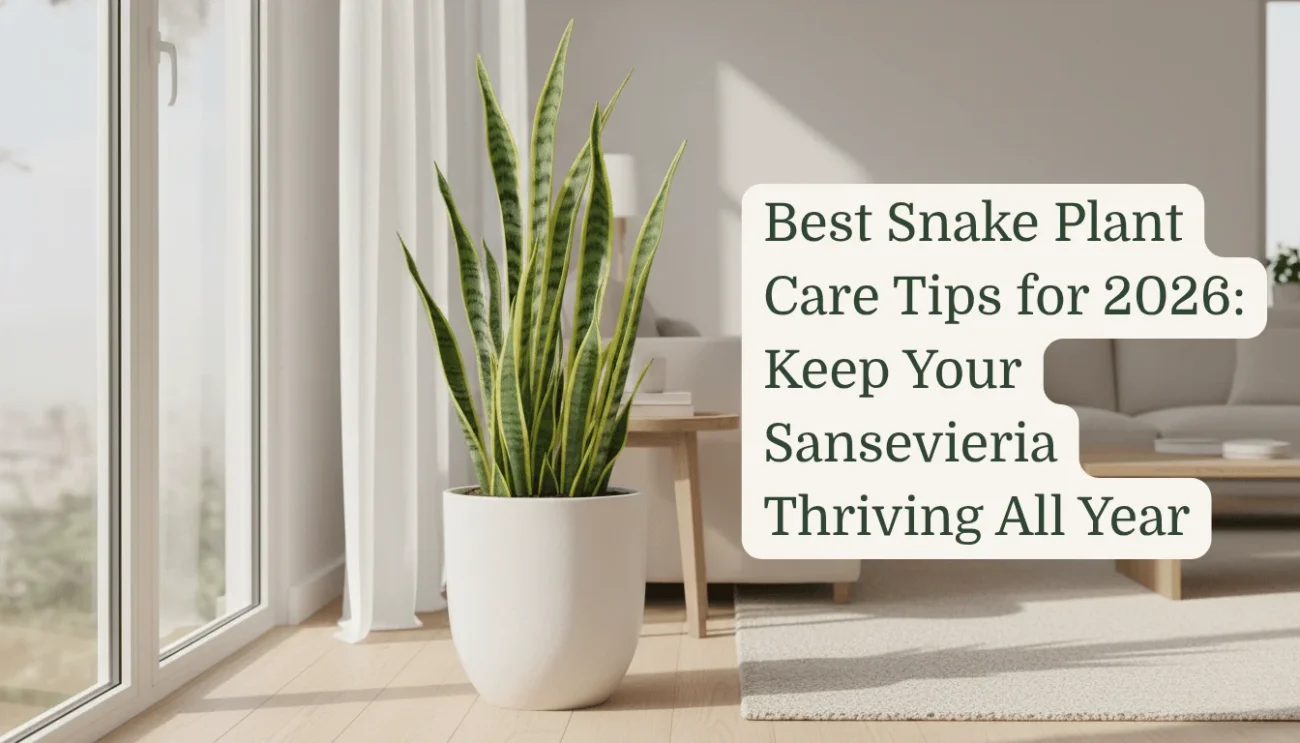
1. Snake Plant (Sansevieria trifasciata)
One of the most recommended plants for bedrooms, the snake plant continues to release oxygen at night—unlike most plants.
- Why it helps sleep: Improves indoor air quality by removing toxins like formaldehyde and benzene.
- Décor tip: Place a medium-sized snake plant in a sleek pot near the bed or a corner table.
- Care: Thrives on neglect; requires low light and minimal watering.
2. Aloe Vera (Aloe barbadensis miller)
Aloe vera is not just a skin-healing plant—it’s also an oxygen powerhouse. It releases oxygen at night, helping you breathe better while you sleep.
- Why it helps sleep: Produces oxygen 24/7 and purifies the air.
- Décor tip: A small aloe vera pot looks great on a bedside table or windowsill.
- Care: Needs bright, indirect sunlight and very little water.
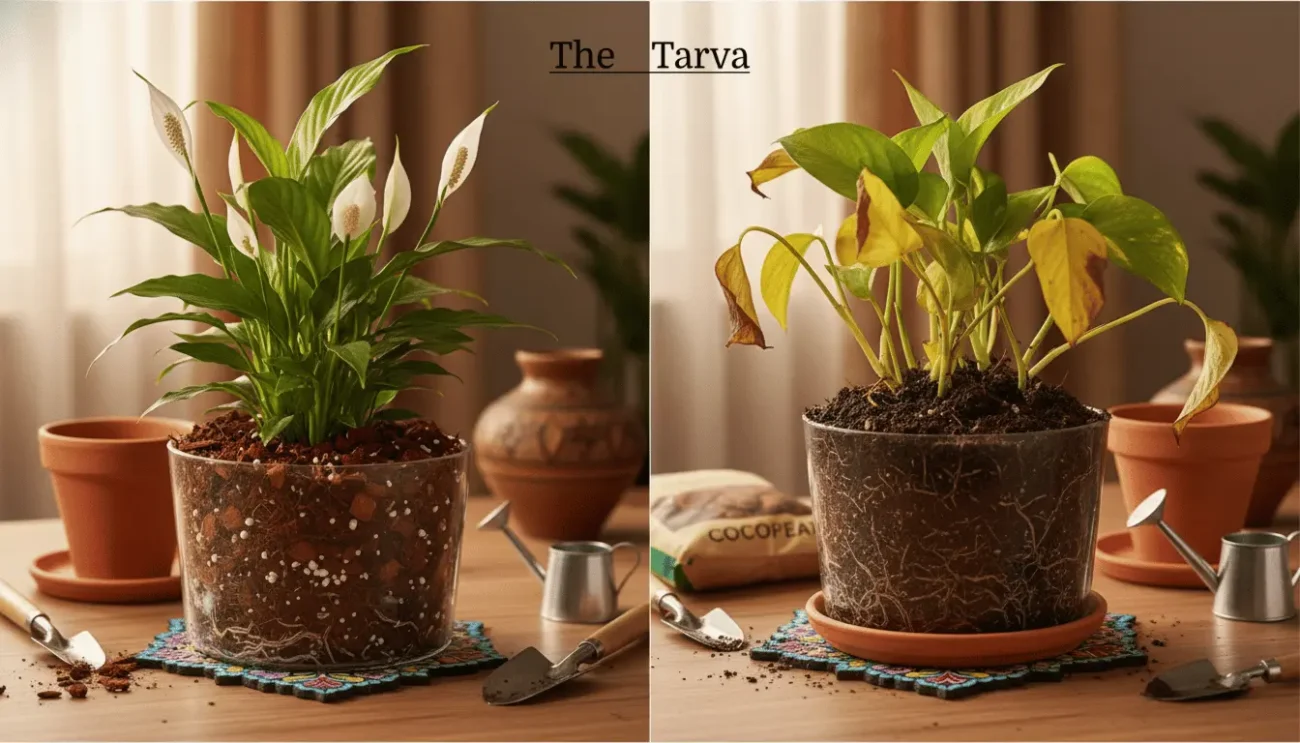
3. Peace Lily (Spathiphyllum)
Peace lilies are beautiful flowering plants that filter toxins and improve humidity levels in the bedroom.
- Why it helps sleep: Increases room humidity, reducing dryness in nasal passages and skin.
- Décor tip: Place in a decorative ceramic pot near your wardrobe or dresser for elegance.
- Care: Prefers medium light and moist soil.
4. Areca Palm (Dypsis lutescens)
This lush palm is not only visually soothing but also an excellent natural humidifier.
- Why it helps sleep: Increases humidity, reduces airborne toxins, and creates a calming environment.
- Décor tip: Works well in large bedrooms—place it in a tall planter near a window.
- Care: Needs bright, indirect light and regular watering.
5. Tulsi (Holy Basil)
An Indian household favorite, tulsi is known for its spiritual, medicinal, and air-purifying properties.
- Why it helps sleep: Improves air quality and reduces stress with its subtle fragrance.
- Décor tip: Place near a sunny window in the bedroom. A small brass or terracotta planter enhances its charm.
- Care: Needs direct sunlight and regular watering.
6. Jasmine (Jasminum officinale)
The sweet fragrance of jasmine flowers is scientifically proven to lower anxiety and improve sleep quality.
- Why it helps sleep: Reduces stress and induces relaxation with its calming aroma.
- Décor tip: A jasmine plant in a hanging basket near a bedroom window adds freshness and fragrance.
- Care: Requires bright light and consistent watering.
7. Lavender (Lavandula)
Known worldwide for its soothing scent, lavender is one of the best natural remedies for insomnia.
- Why it helps sleep: Its fragrance reduces heart rate, lowers blood pressure, and promotes deeper sleep.
- Décor tip: Place in a decorative pot near your bedside or use dried lavender arrangements.
- Care: Needs bright light and well-drained soil.
Tips to Style Bedroom Plants
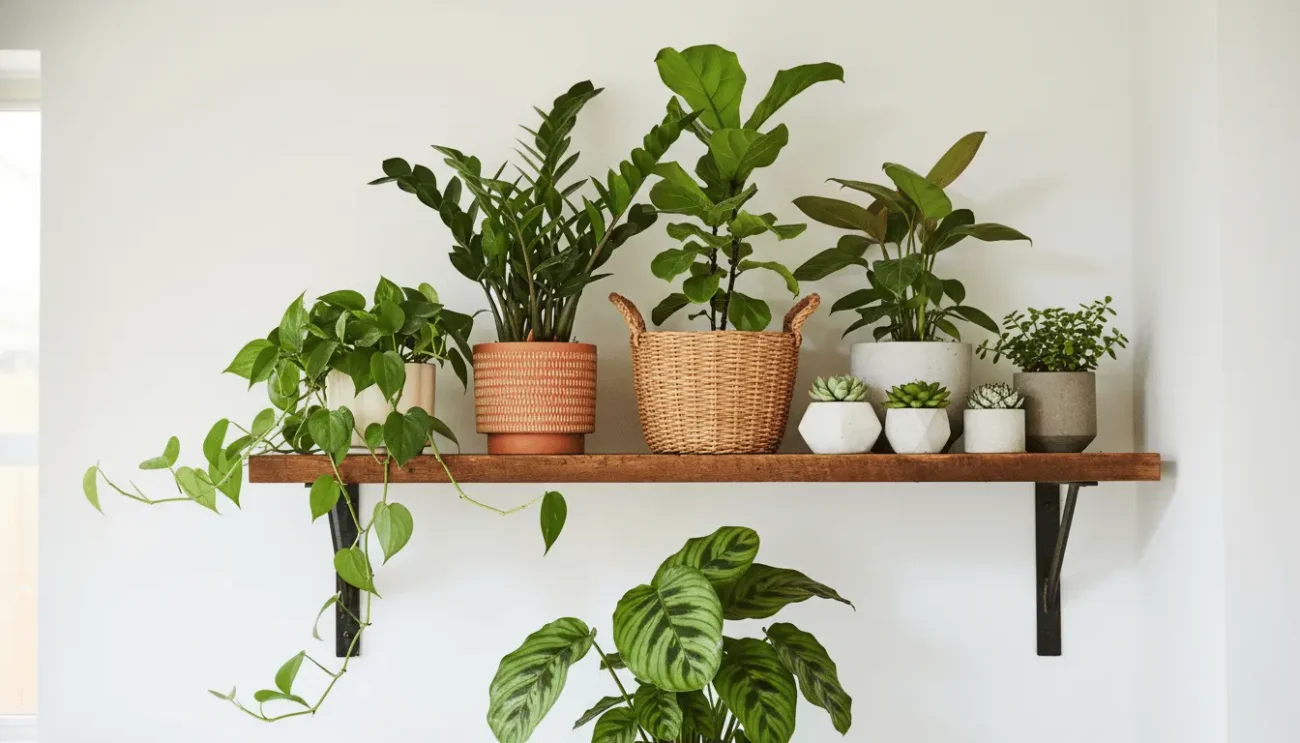
- Choose elegant planters – ceramic, terracotta, or pastel-toned pots suit modern bedrooms.
- Balance greenery and décor – don’t overcrowd; 2–3 well-chosen plants are enough.
- Use vertical space – wall-mounted planters or hanging baskets save floor space.
- Pair functional with ornamental – mix oxygen-producing plants with decorative ones.
Maintenance Tips
- Dust leaves regularly for better photosynthesis.
- Water moderately—bedroom plants often need less water due to lower sunlight.
- Avoid overcrowding to prevent excess humidity.
- Rotate plants every few weeks to ensure even growth.
Where to Buy Bedroom Plants Online
At The Tarva, we specialize in curated indoor plants that enhance both health and décor. For your bedroom, we recommend:
- Snake Plant & Aloe Vera – best oxygen boosters.
- Peace Lily & Areca Palm – elegant and air-purifying.
- Tulsi & Jasmine – perfect for Indian homes with cultural and wellness benefits.
Explore more at thetarva.com and order fresh, healthy plants delivered to your doorstep.
Conclusion
The secret to better sleep may be as simple as adding a few carefully chosen plants to your bedroom. From oxygen-releasing snake plants to calming jasmine and lavender, indoor greenery can transform your sleep quality and overall well-being.
By selecting the right plants and styling them thoughtfully, you can create a peaceful, healthy, and aesthetically pleasing bedroom that nurtures both body and mind.