Indoor Plant Problems & Solutions: Yellow Leaves, Drooping, Root Rot

Even the most experienced plant parents face problems like yellowing leaves, drooping stems, or the dreaded root rot. Indoor plants may be hardy, but they’re also sensitive to changes in light, water, temperature, and soil conditions. The good news? Most problems are easily fixable if you know what signs to look for and how to act quickly.

In this guide, we’ll cover the most common indoor plant problems, what causes them, and step-by-step solutions to bring your plants back to health.


1. Yellow Leaves

Cause:

  • Overwatering (most common reason)
  • Poor drainage or compact soil
  • Lack of sunlight
  • Nutrient deficiencies (nitrogen, magnesium, or iron)
  • Natural aging of older leaves

Solution:

  • Check soil moisture. If it feels soggy, cut back watering and let it dry slightly before the next round.
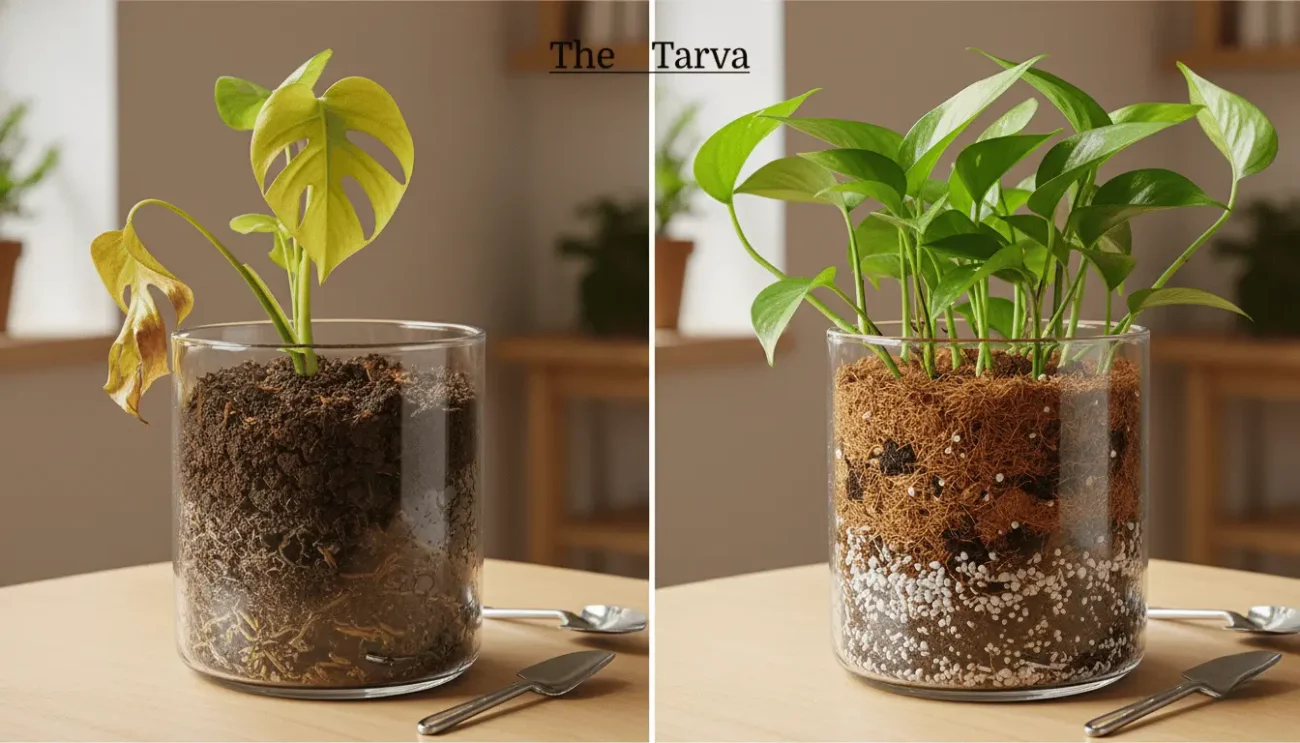
  • Ensure pots have drainage holes. Repot in well-draining soil if needed.
  • Move the plant to a brighter spot with indirect sunlight.
  • Use a balanced liquid fertilizer every 2–4 weeks to correct deficiencies.
  • If only lower/older leaves are yellowing, it may just be natural leaf drop—no need to worry.

2. Drooping Leaves or Stems

Cause:

  • Underwatering (leaves become limp and crispy)
  • Overwatering (roots suffocated and unable to take up water)
  • Sudden temperature changes
  • Low humidity indoors (common in AC or heated rooms)

Solution:

  • For underwatering: Soak the soil thoroughly and establish a regular watering routine.
  • For overwatering: Allow soil to dry, prune dead roots, and repot if severe.
  • Keep plants away from AC vents, heaters, or drafty windows.
  • Mist humidity-loving plants like ferns, or place them near a pebble tray with water.

3. Root Rot

Cause:

  • Excess water with poor drainage
  • Heavy, compact soil that stays wet
  • Fungus/bacterial infections in soil

Signs:

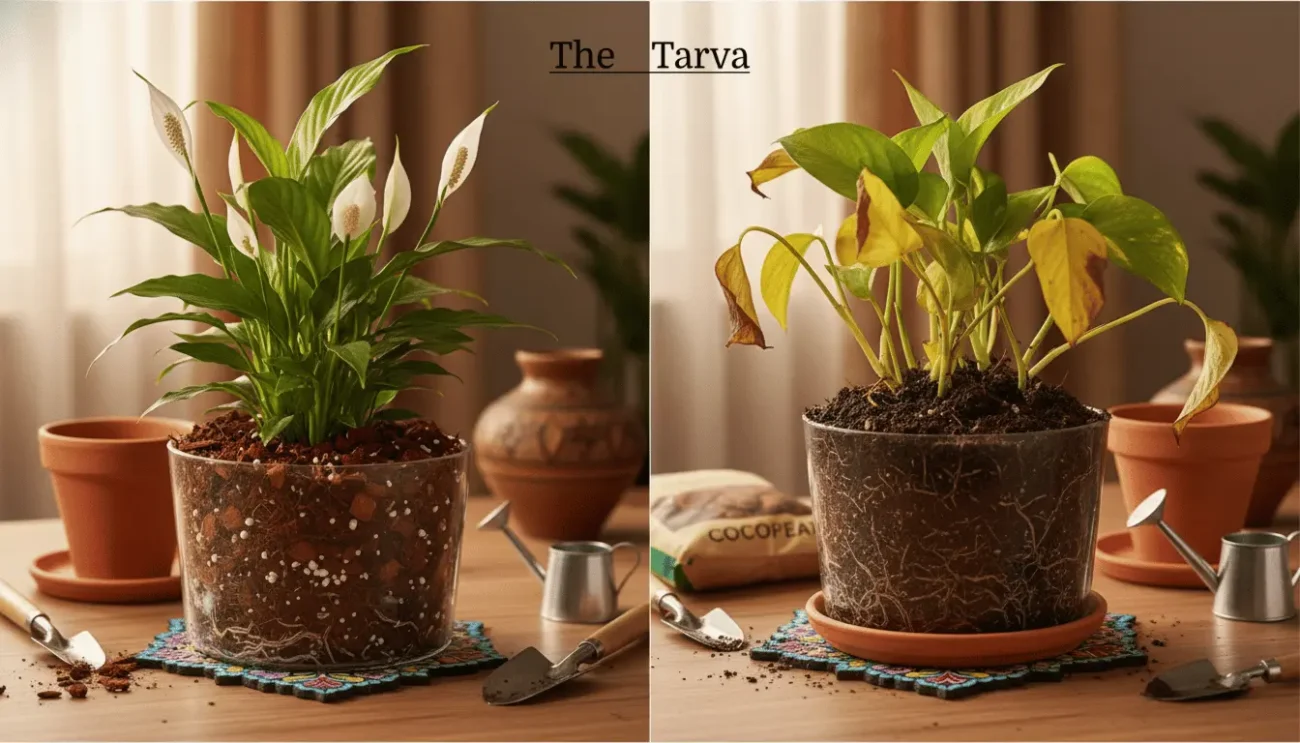
  • Mushy brown or black roots when removed from soil
  • Foul smell from the pot
  • Yellow, wilting leaves despite watering

Solution:

  • Gently remove the plant from the pot and cut away rotten roots with sterilized scissors.
  • Repot in fresh, well-draining soil (mix of potting mix + perlite/sand).
  • Water only when the top inch of soil feels dry.
  • Consider using clay/terracotta pots, which allow soil to breathe.

4. Brown Leaf Tips

Cause:

  • Low humidity
  • Over-fertilization (salt buildup in soil)
  • Hard tap water with chlorine or fluoride

Solution:

  • Increase humidity with misting, humidifiers, or pebble trays.
  • Flush soil once a month with clean water to wash out salts.
  • Use rainwater or filtered water if tap water is very hard.

5. Leaf Drop

Cause:

  • Shock from being moved or repotted
  • Sudden light/temperature change
  • Overwatering or underwatering
  • Pest infestations (spider mites, aphids, mealybugs)

Solution:

  • Keep the plant in a stable environment without frequent shifting.
  • Adjust watering and light gradually.
  • Inspect leaves for pests and wipe with neem oil solution if needed.

6. Slow or Stunted Growth

Cause:

  • Insufficient light
  • Lack of nutrients
  • Root-bound plant needing repotting
  • Seasonal dormancy (common in winter)

Solution:

  • Move plant to a brighter location (but avoid direct scorching sun).
  • Fertilize with a balanced indoor plant feed every few weeks.
  • Check roots—if they’re circling the pot, repot into a slightly larger container.
  • Be patient in winter—growth resumes naturally in spring/summer.

7. Pests on Indoor Plants

Common pests:

  • Mealybugs (white cottony spots)
  • Spider mites (tiny red bugs + webbing)
  • Aphids (green/black sap-sucking insects)
  • Fungus gnats (tiny flies in soil)

Solution:

  • Wipe leaves with a neem oil + water solution.
  • Spray mild insecticidal soap.
  • For gnats, let soil dry between watering and add a top layer of sand.
  • Isolate infested plants to stop spreading.

8. Fungal or Mold Growth

Cause:

  • Poor ventilation + overwatering
  • High humidity without air circulation

Solution:

  • Remove affected leaves or scrape off mold from soil surface.
  • Improve airflow by spacing plants apart.
  • Sterilize pots before reusing.
  • Water less frequently.

Preventive Plant Care Checklist

  • Right Light: Research your plant’s needs—low light, medium, or bright indirect.
  • Watering: Follow the “finger test”—if the top 1–2 inches are dry, it’s time to water.
  • Soil: Always use well-draining potting mixes.
  • Humidity: Group plants together, mist, or use pebble trays.
  • Cleaning: Dust leaves monthly to keep pores open for photosynthesis.
  • Fertilizing: Feed every 2–4 weeks during growing season (spring & summer).
  • Repotting: Every 1–2 years to refresh soil and allow root growth.

Where to Buy Healthy Indoor Plants Online

If your current plants are struggling beyond repair—or you want to add fresh greenery—start with healthy, pest-free plants from trusted sellers.

At The Tarva, we offer:

  • Well-nurtured, ready-to-thrive indoor plants
  • Decorative planters with proper drainage
  • Soil & care kits for beginners

Browse our Indoor Plant Collection at thetarva.com and find your next low-maintenance companion for a greener, stress-free home.


Conclusion

Plant problems like yellowing leaves, drooping stems, or root rot are common—but they’re not the end of your plant journey. With the right care routine and a bit of observation, you can revive most indoor plants and keep them thriving for years.

Remember: prevention is better than cure. By choosing the right plant for your space, maintaining proper watering habits, and monitoring light conditions, you’ll face fewer problems and enjoy a lush, healthy indoor garden.

Leave a Reply

Your email address will not be published. Required fields are marked *