

Organic Potting Soil Mix ₹199.00 – ₹649.00Price range: ₹199.00 through ₹649.00

Premium Organic Cow Dung Manure ₹219.00 – ₹649.00Price range: ₹219.00 through ₹649.00
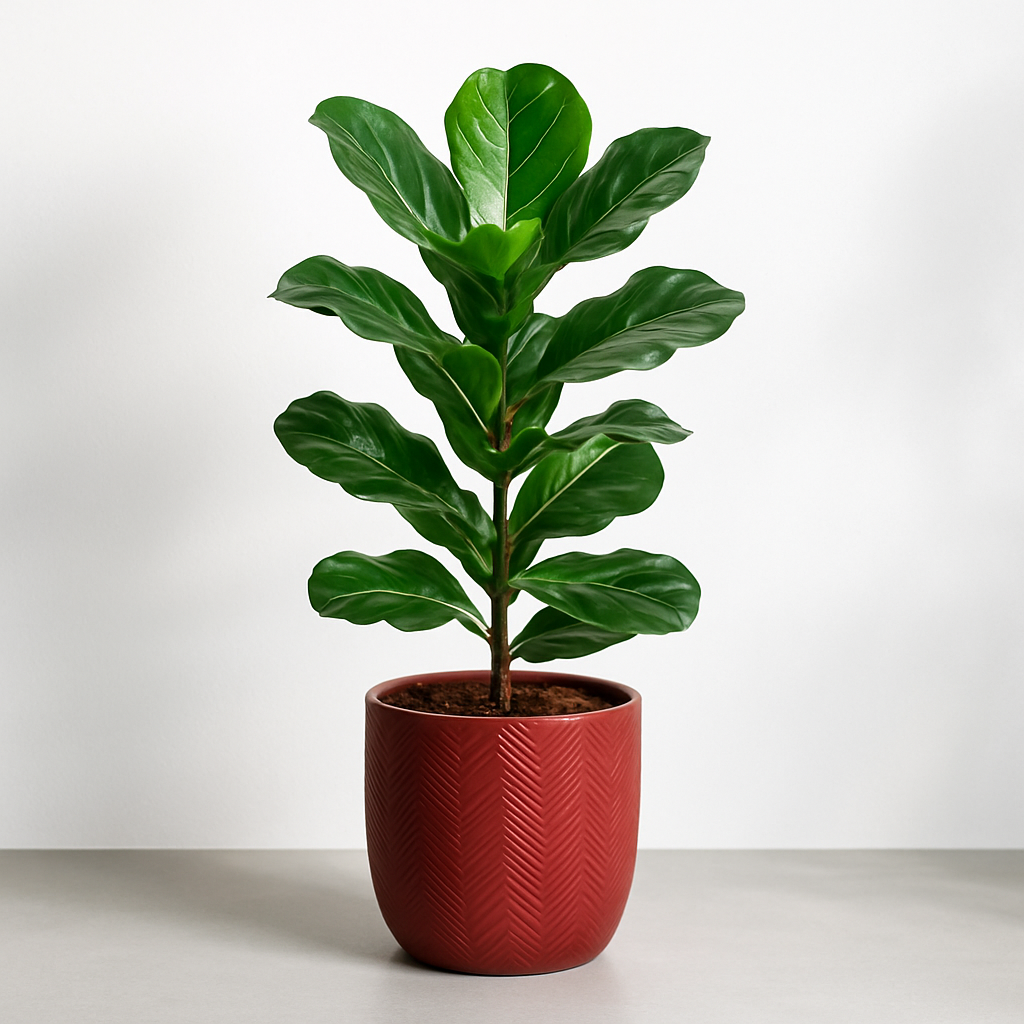


Ficus Lyrata Bambino
₹3,499.00 Original price was: ₹3,499.00.₹2,999.00Current price is: ₹2,999.00.
Crafted for Indoor Plants
100% Organic
PAN India Delivery
The Ficus Lyrata Bambino (Dwarf Fiddle Leaf Fig) is a stylish, compact version of the iconic Fiddle Leaf Fig. With its lush, violin-shaped leaves and upright growth, it adds sophistication to small spaces while purifying the air. Perfect for modern plant parents who want tropical charm without the size.
Shipping & Delivery
Plants are shipped within 3 business days. It takes 1-7 days to deliver, depending on the location. Learn More
Replacement
If your plant dies during transit, please contact us with proof, including an unboxing video, and we'll replace it for free. Learn More
Note
Plants are unique! The images are meant to give you an idea of the specification and quality of the plant you will receive, but will not be an exact replica.
Description
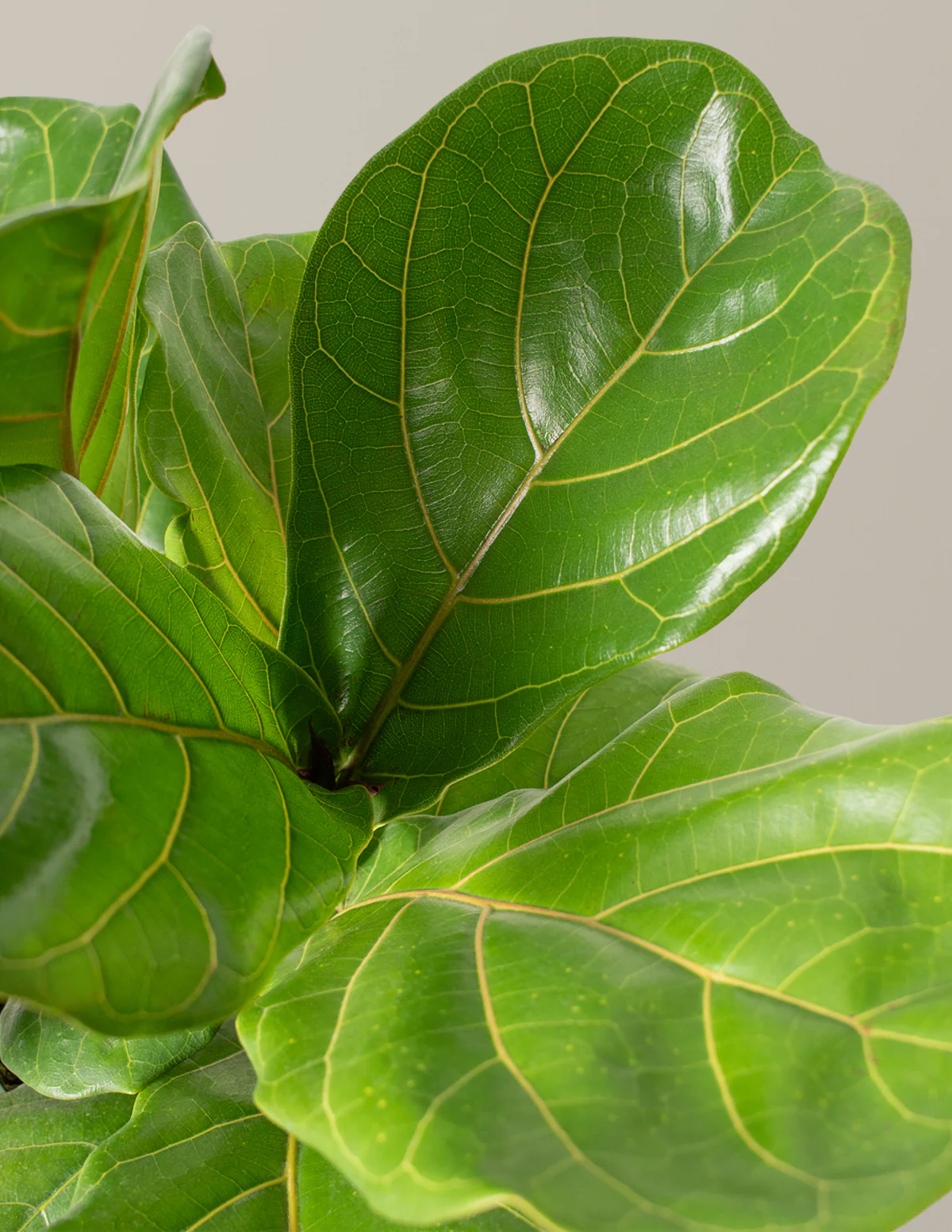
Meet the Ficus Lyrata Bambino, a tropical superstar that’s big on style but small in size. Known as the Dwarf Fiddle Leaf Fig, this compact beauty features glossy, violin-shaped leaves and a neat upright form—perfect for apartments, desktops, and cozy corners where the full-sized Fiddle Leaf Fig might not fit.
Beloved by modern plant parents, the Bambino isn’t just about looks. Like its larger relative, it helps purify indoor air while boosting mood and productivity. Whether you’re curating a chic living room, refreshing your bedroom, or adding greenery to your office, the Bambino is a statement plant that doesn’t overwhelm your space.
Why Plant Parents Love the Ficus Lyrata Bambino
Compact size (2–3 ft) perfect for small homes and workspaces.
Glossy, violin-shaped leaves for a bold, tropical aesthetic.
Natural air purifier that enhances indoor well-being.
Adaptable and relatively low-maintenance with the right care.
Brings instant sophistication to any décor style.
Features & Benefits
Space-Friendly – Enjoy the iconic look of a Fiddle Leaf Fig without needing a large corner.
Tropical Appeal – Glossy green leaves add instant elegance.
Air Purifying – Filters toxins and contributes to a fresher indoor environment.
Stress-Relieving – Creates a calming, focused atmosphere.
Versatile Placement – Perfect for living rooms, bedrooms, offices, or entryways.
Ficus Lyrata Bambino Care Guide
| Care Aspect | Requirement |
|---|---|
| Light | Bright, indirect light preferred; tolerates medium light. |
| Watering | Water weekly or when top 1–2 inches of soil are dry. Avoid overwatering. |
| Soil | Well-draining potting mix. |
| Temperature | 18–27°C (65–80°F); avoid cold drafts. |
| Humidity | Moderate to high; mist leaves or use pebble tray if air is dry. |
| Fertilizer | Balanced liquid feed every 4–6 weeks in spring/summer. |
| Pruning | Remove yellow leaves and wipe dust for healthier growth. |
Styling & Placement Ideas
Living Room Centerpiece – A compact but eye-catching accent.
Bedroom Companion – Adds a calming, fresh vibe near a window.
Office Desk Plant – Reduces stress and boosts focus during work.
Entryway Elegance – Makes a stylish first impression for guests.
Plant Parenthood Tip
Your Bambino thrives in consistency—stable light, watering, and temperature. Think of it as a stylish roommate who loves routine.
FAQs
1. Is Ficus Lyrata Bambino easy to care for?
Yes, it adapts well indoors with bright, indirect light and consistent watering.
2. How tall does it grow?
Typically 2–3 feet tall, staying compact compared to the full-sized Fiddle Leaf Fig.
3. Can it grow in low light?
It tolerates medium light but thrives best in bright, indirect sunlight.
4. Is it safe for pets?
No, like all Fiddle Leaf Figs, it can be toxic if ingested. Keep away from pets.
5. How often should I water it?
About once a week, or when the top 1–2 inches of soil feel dry.